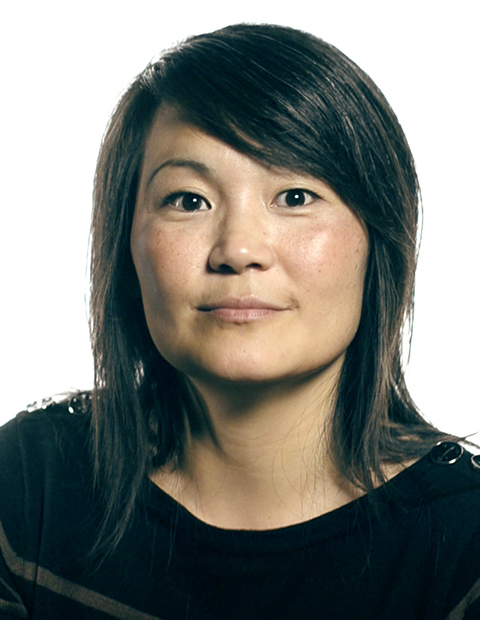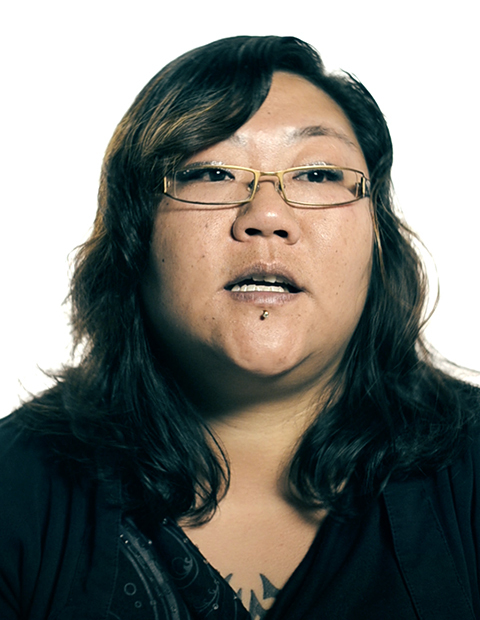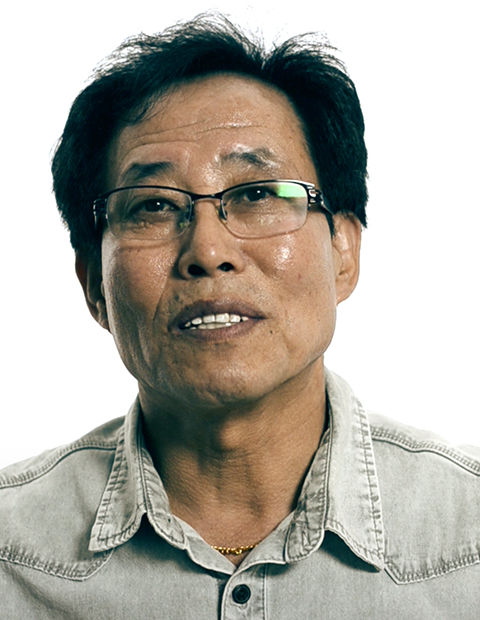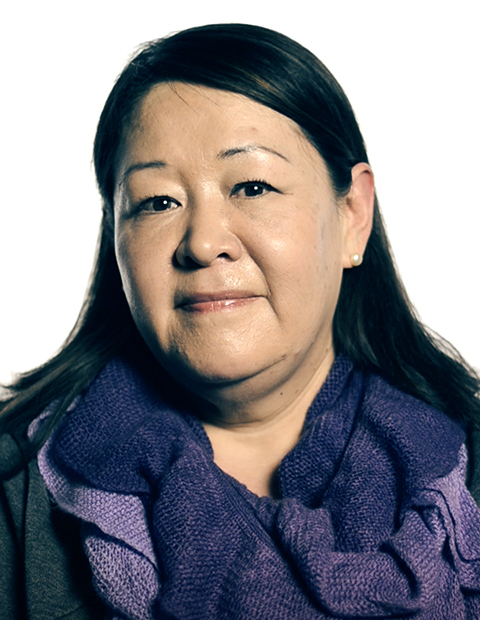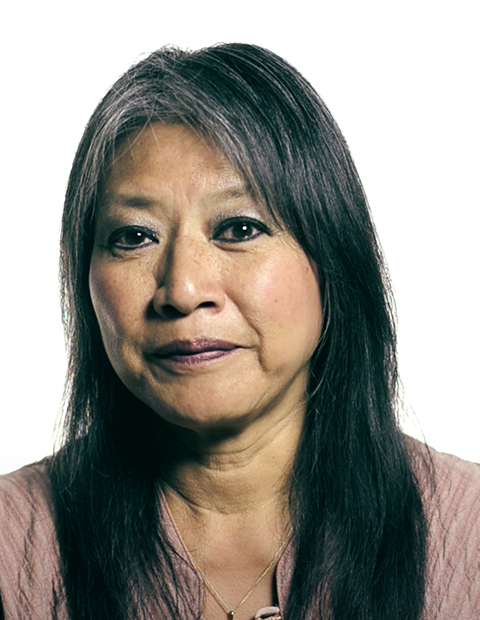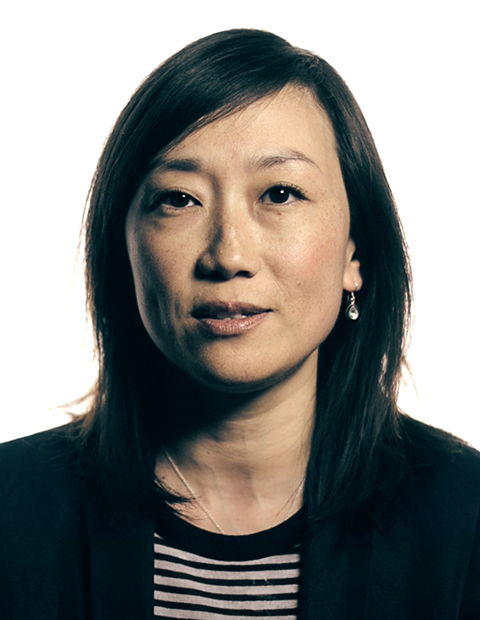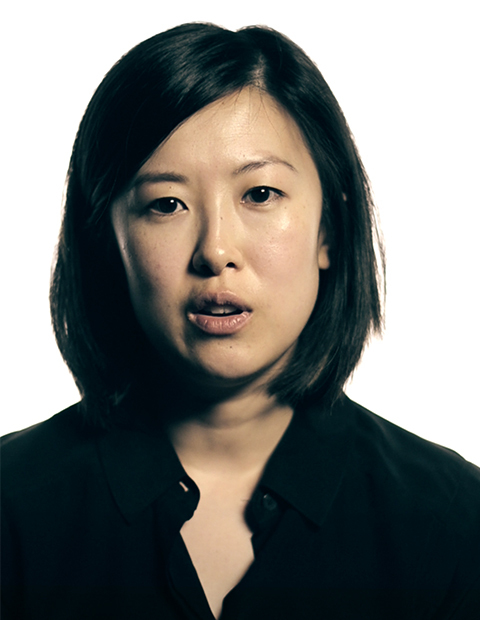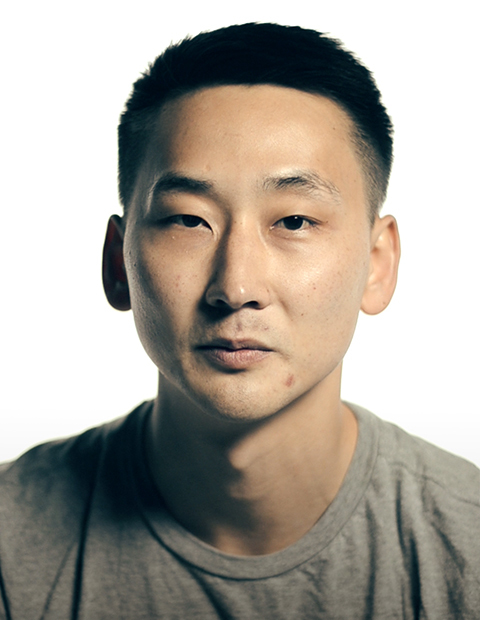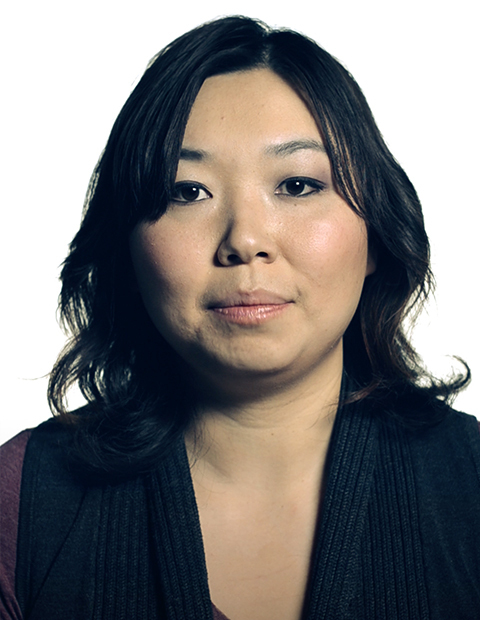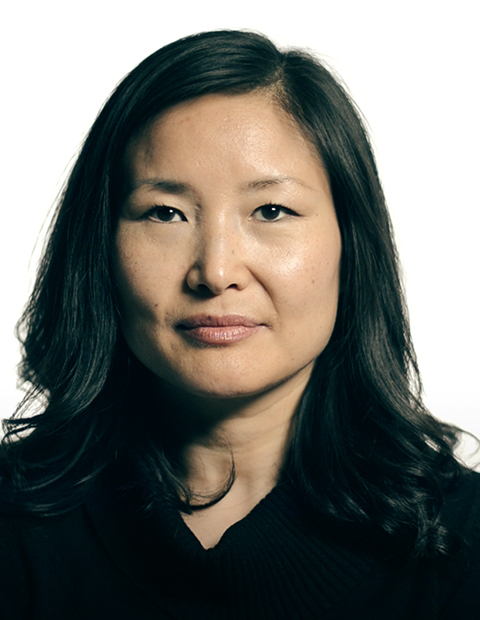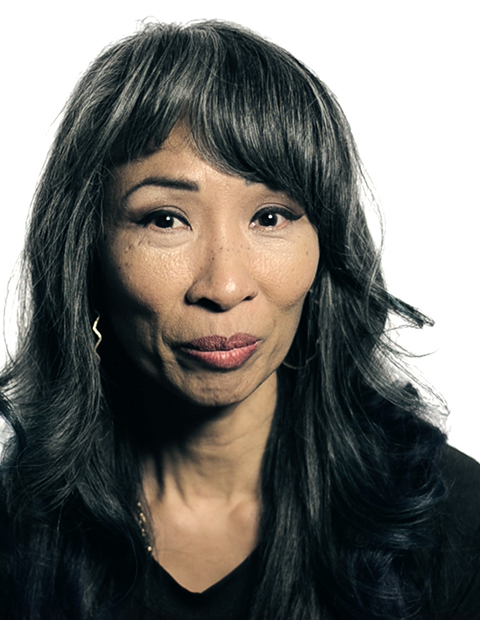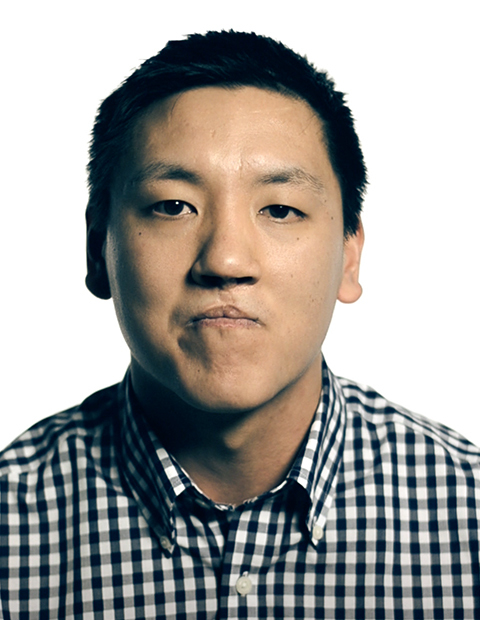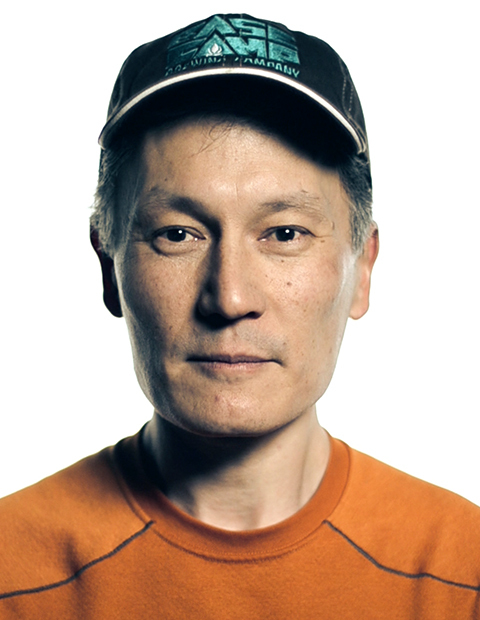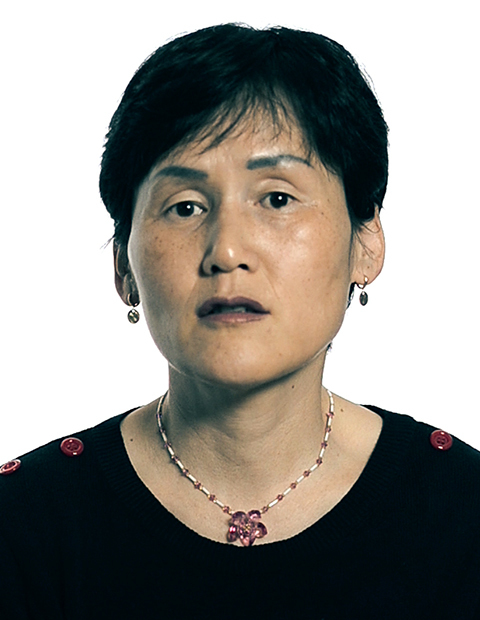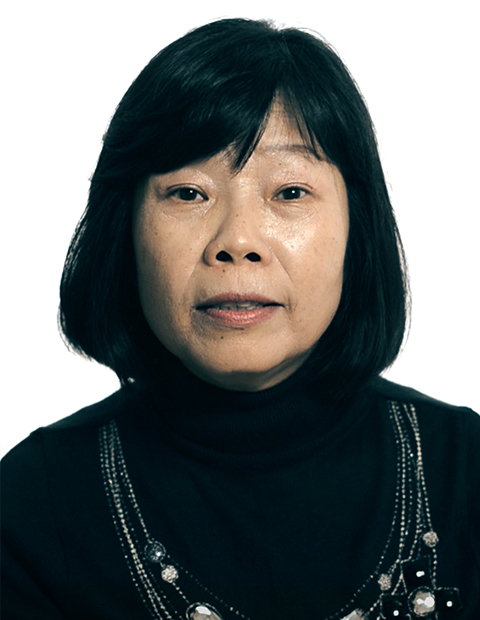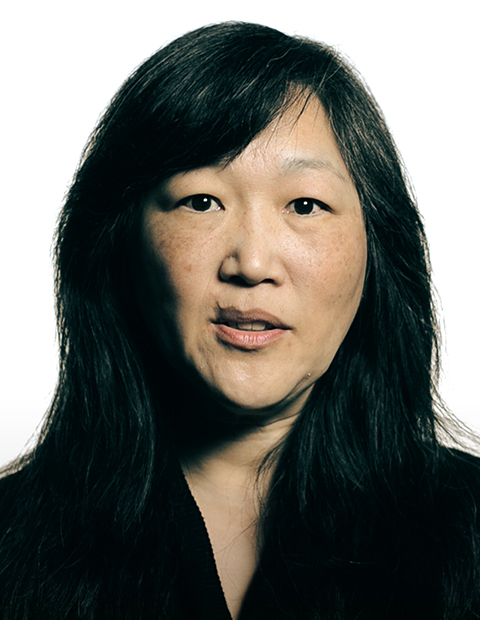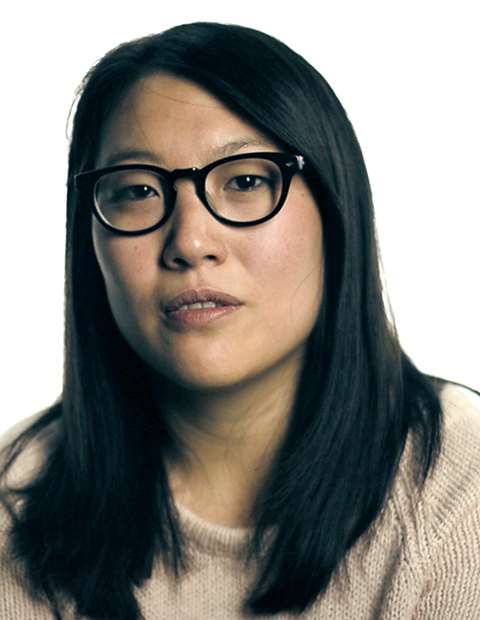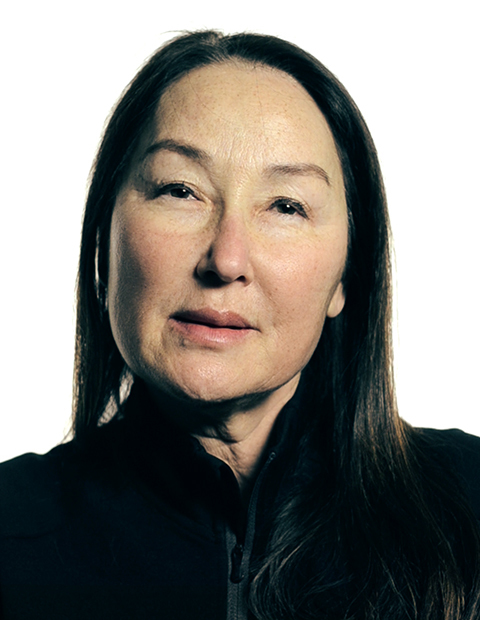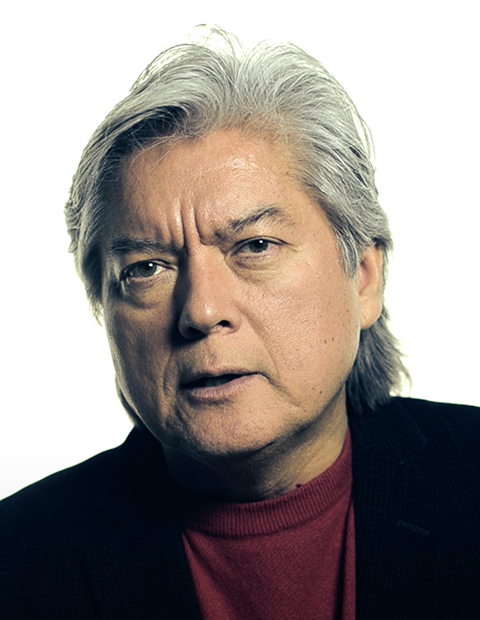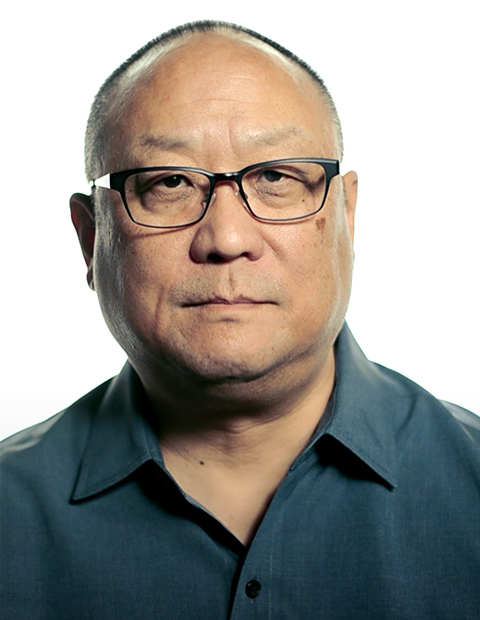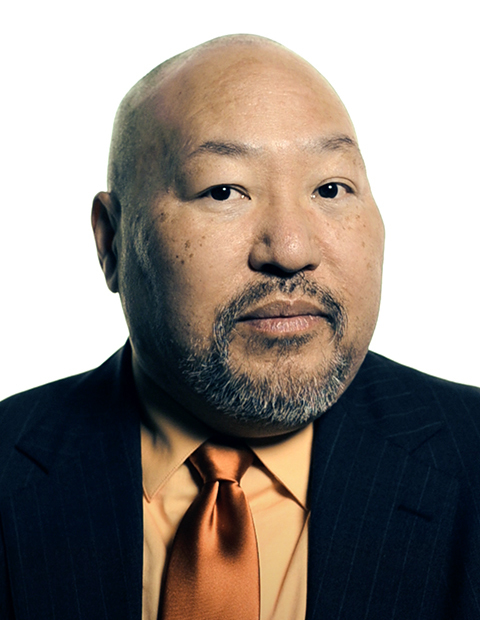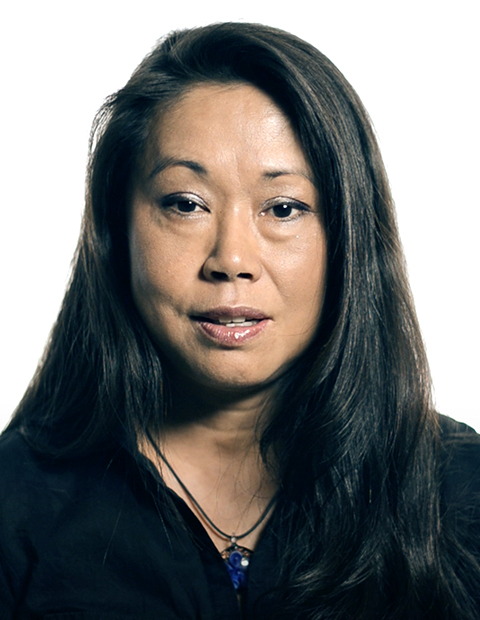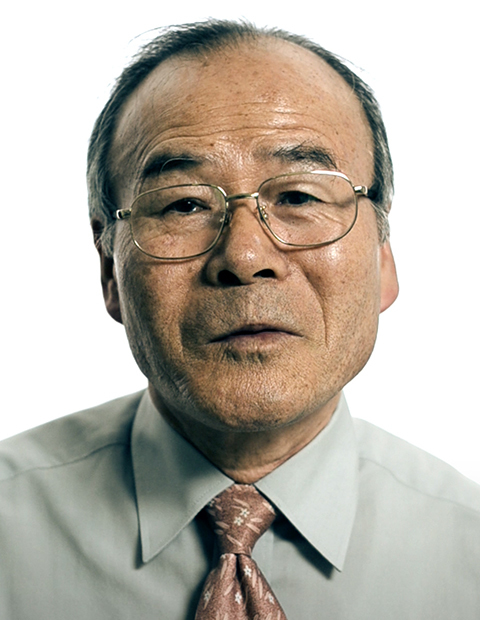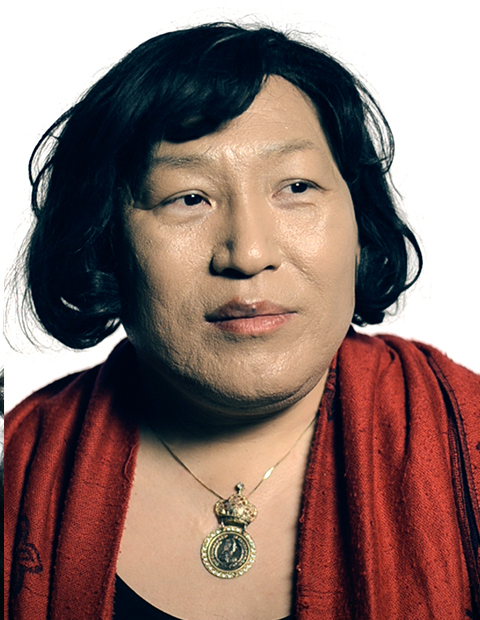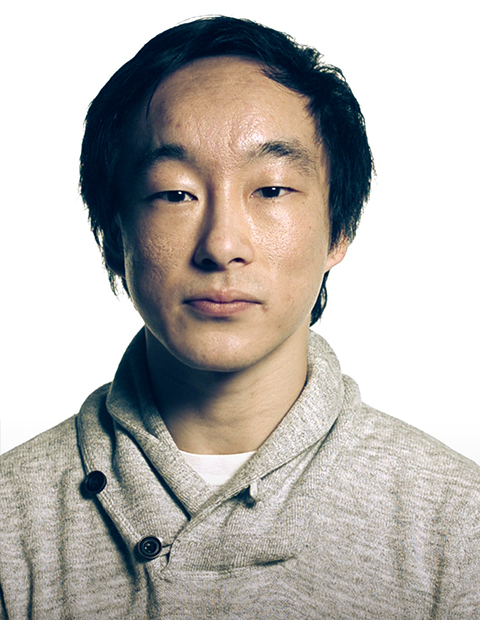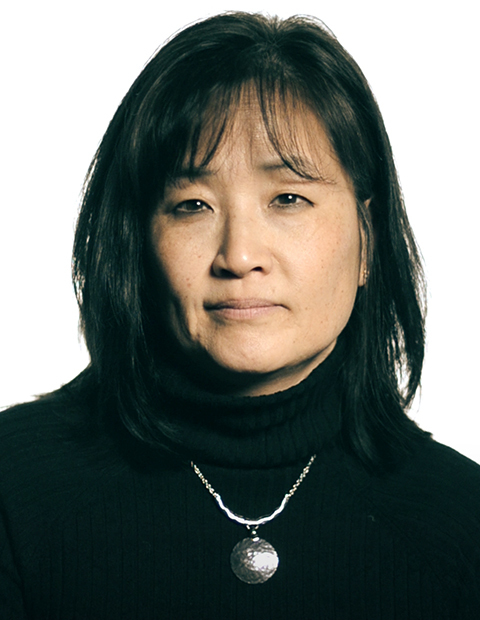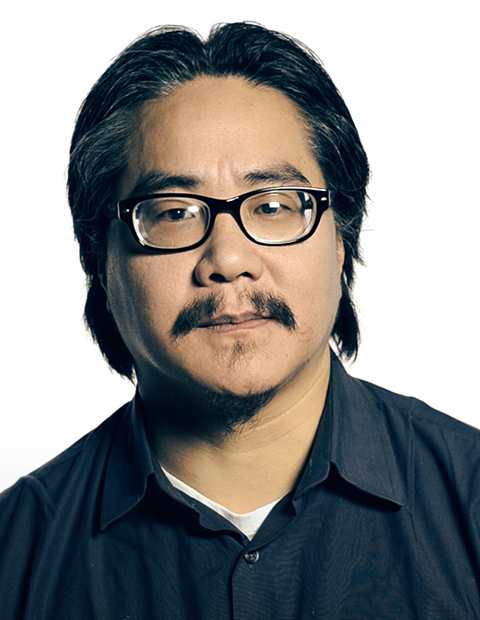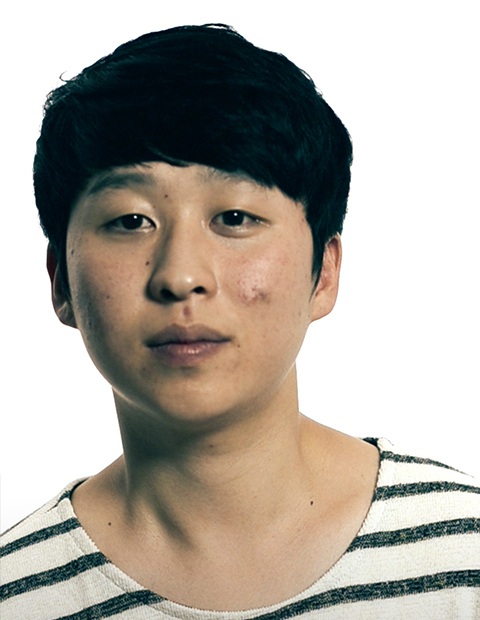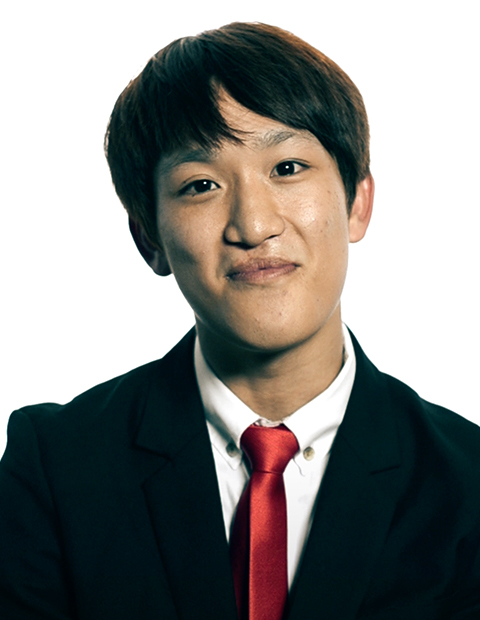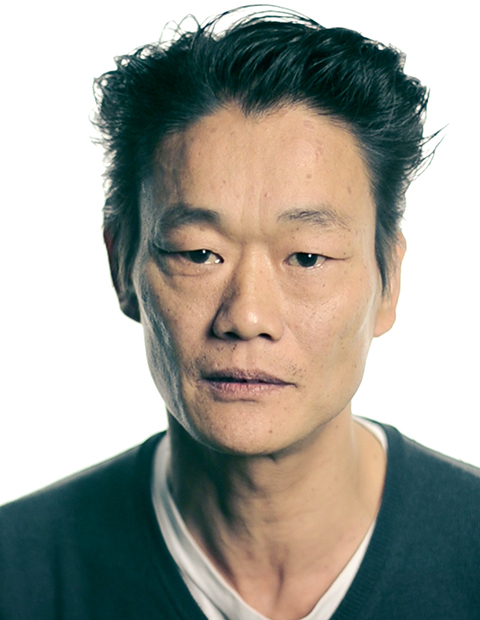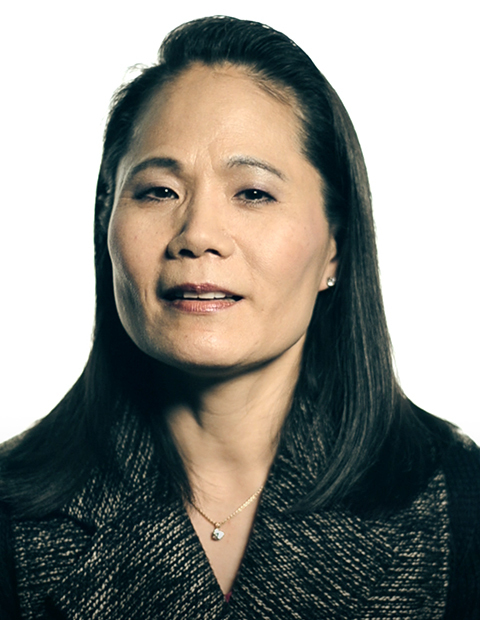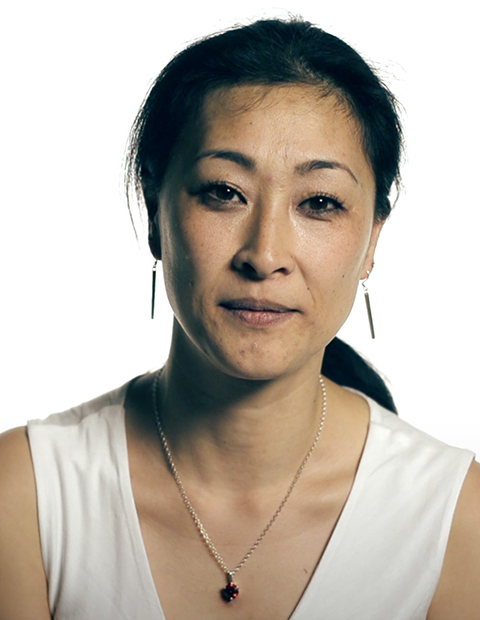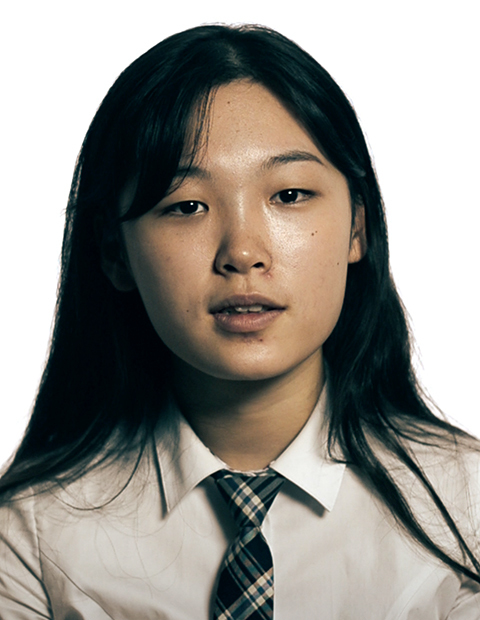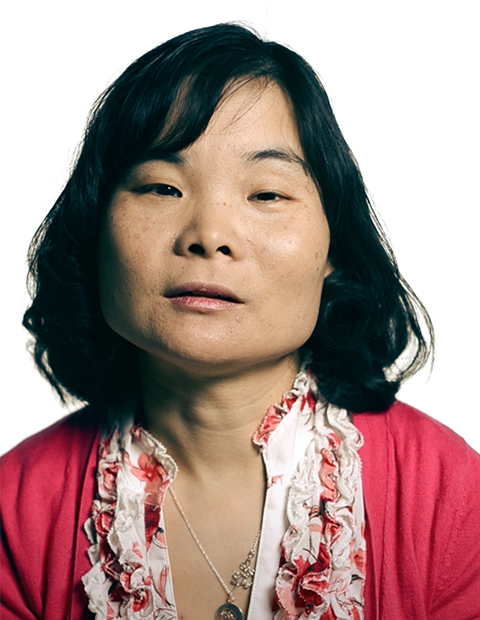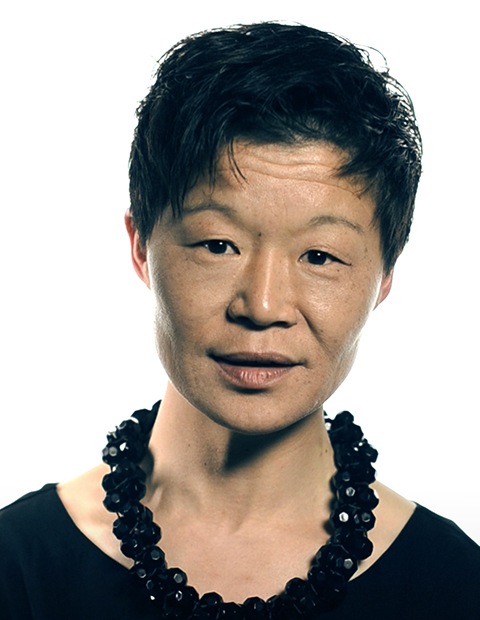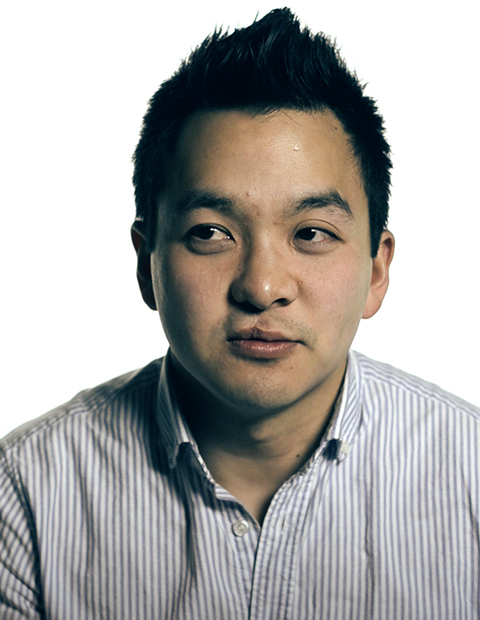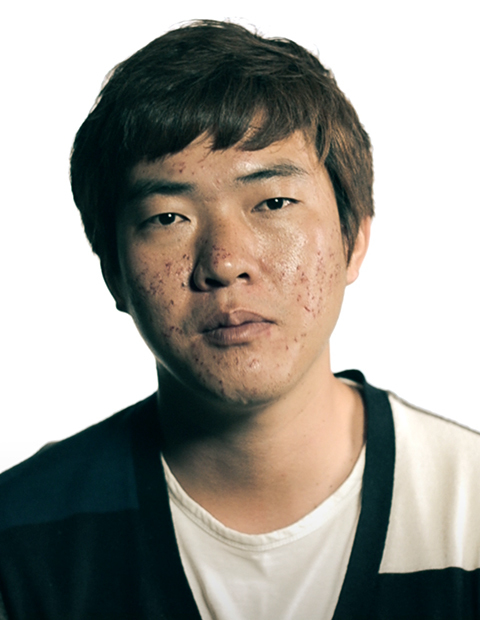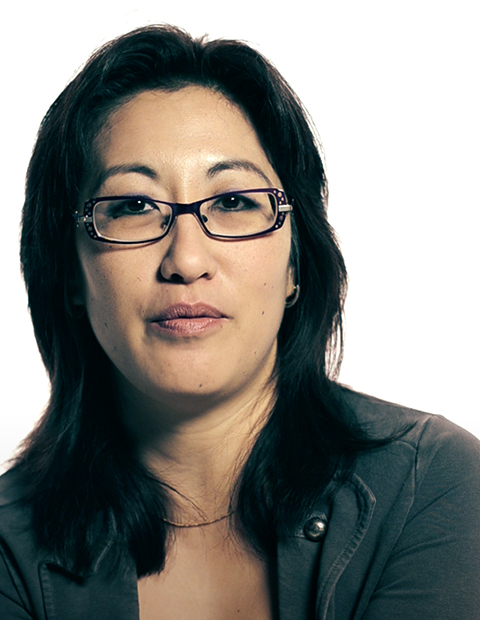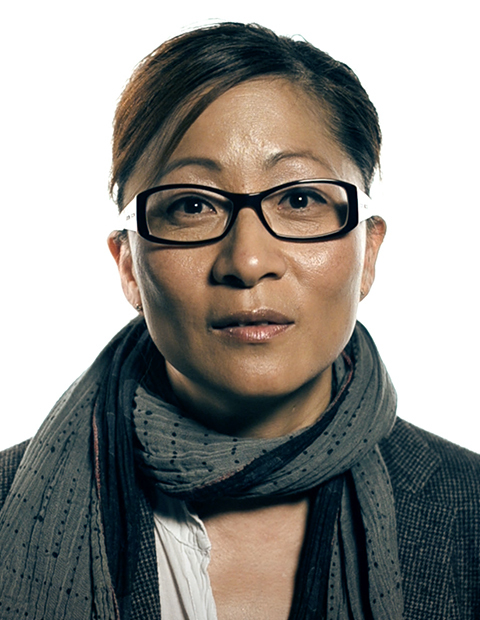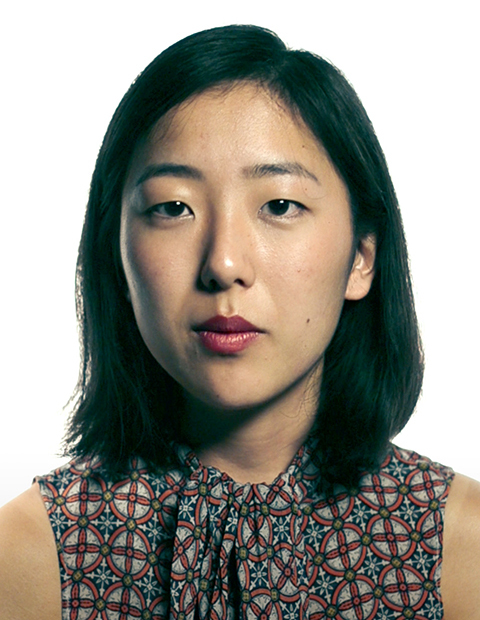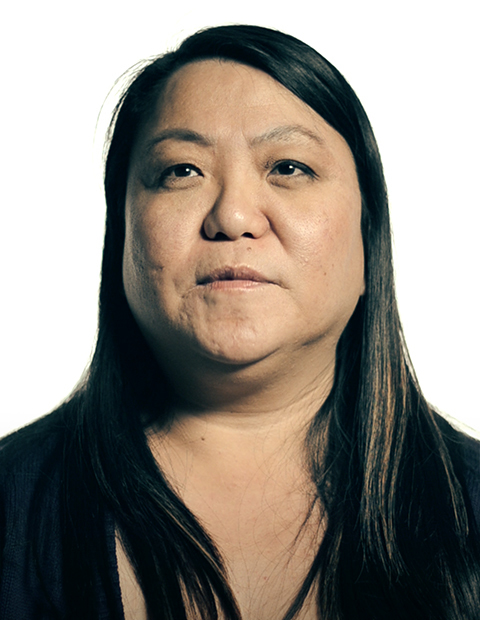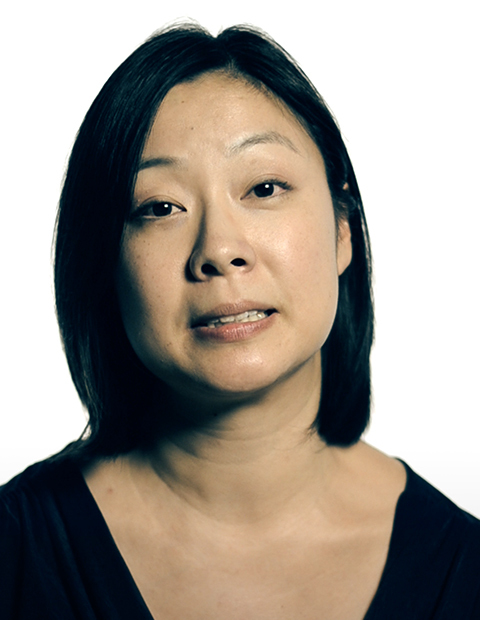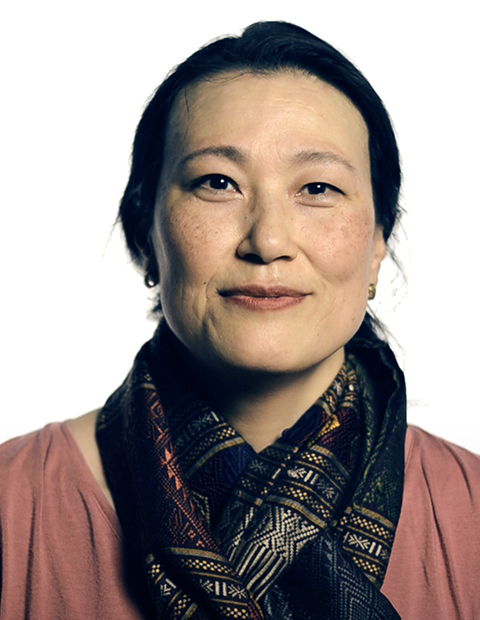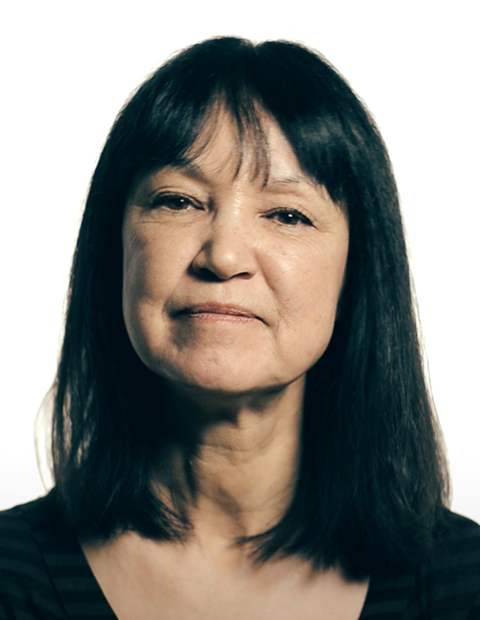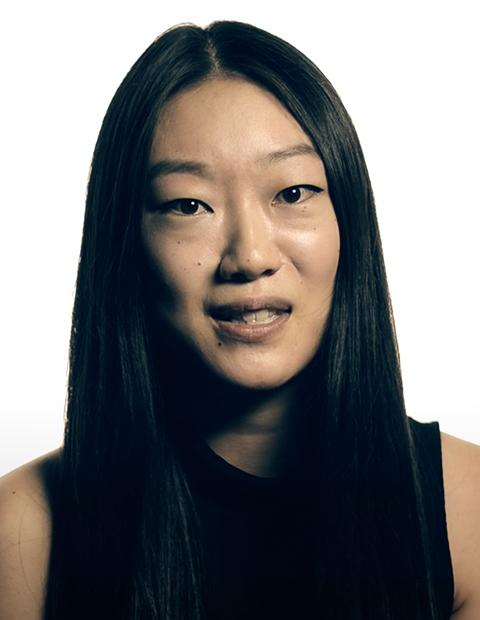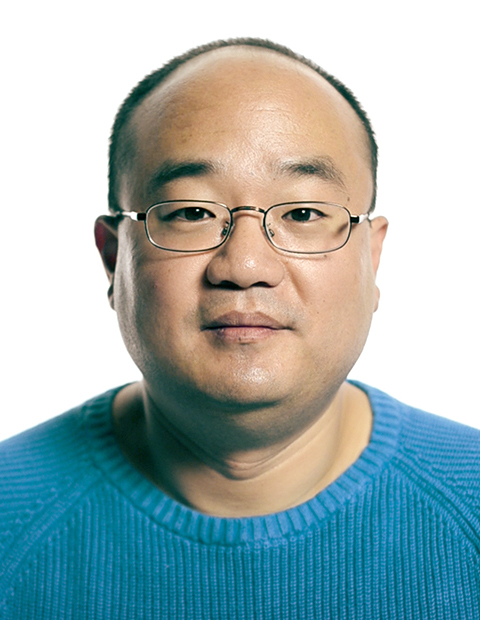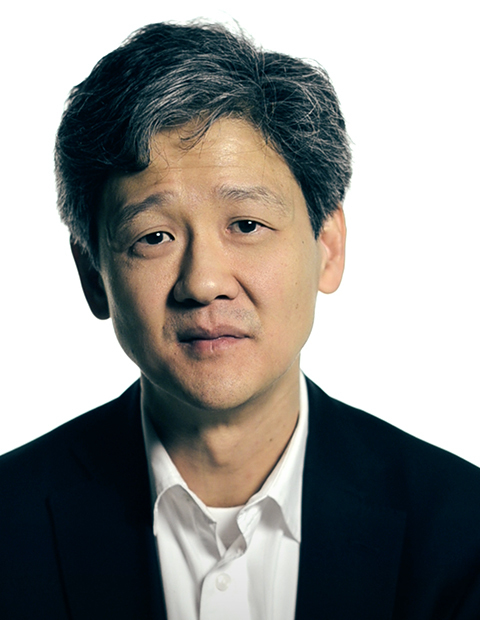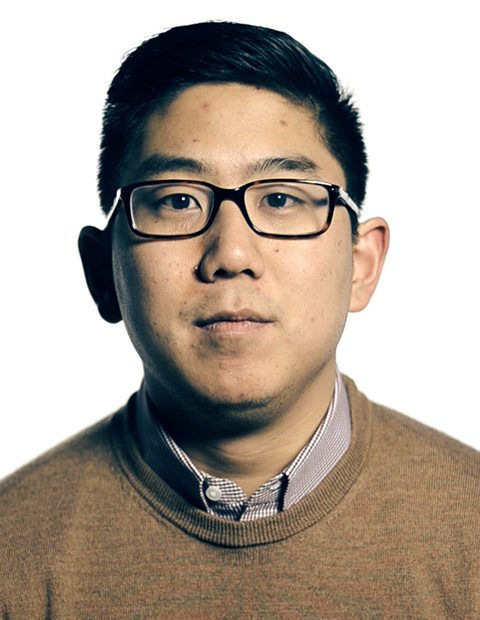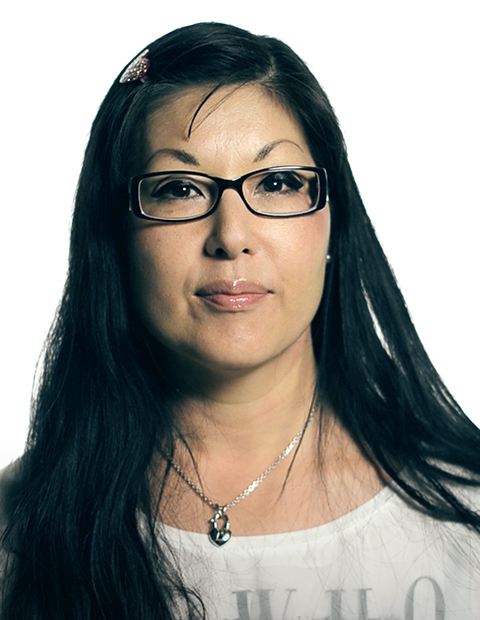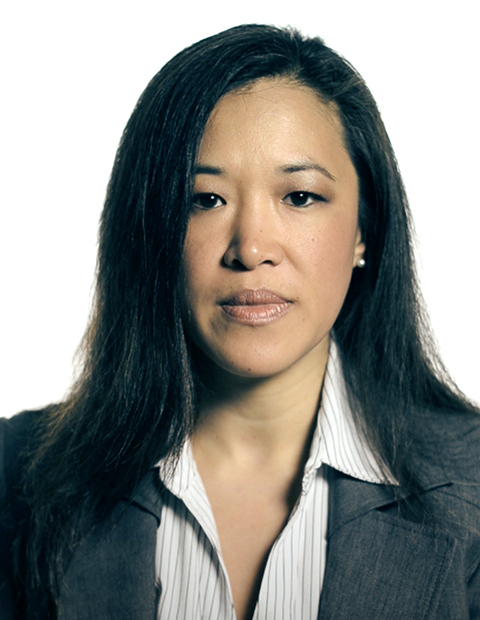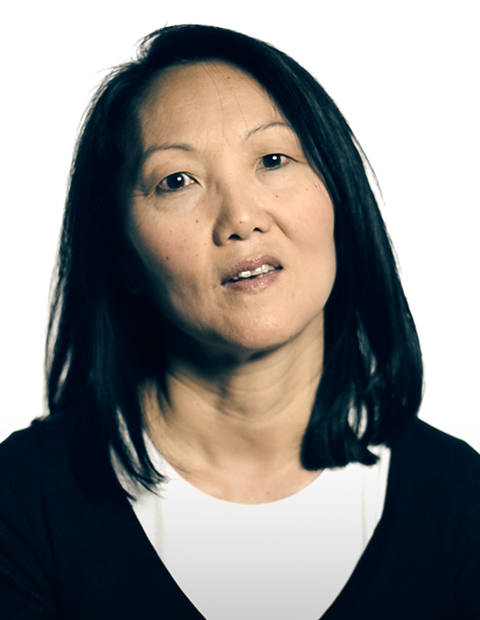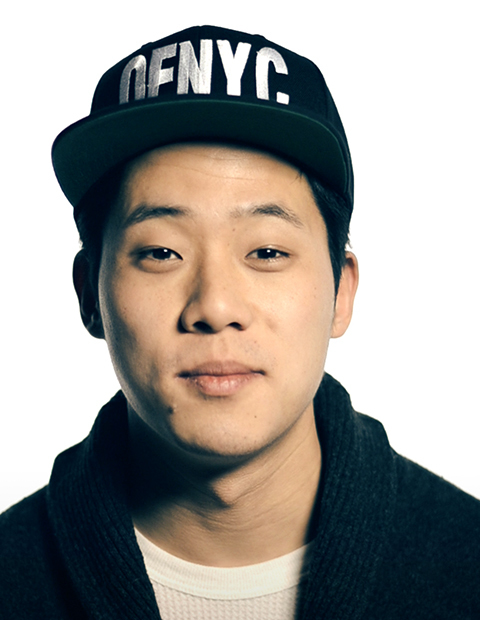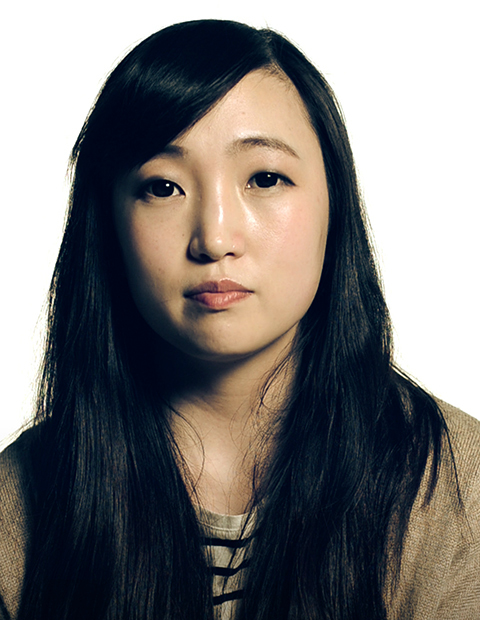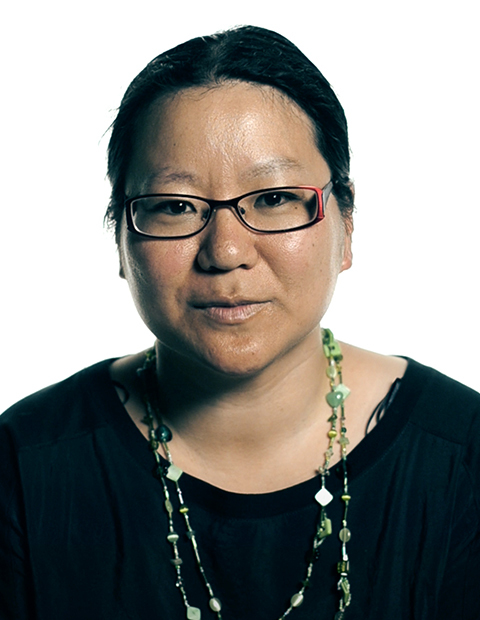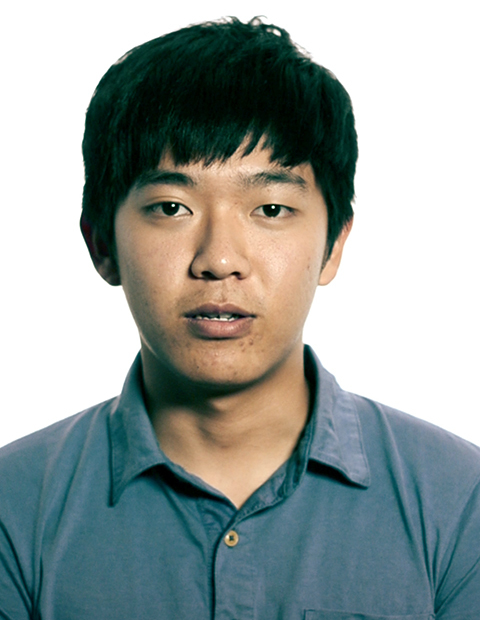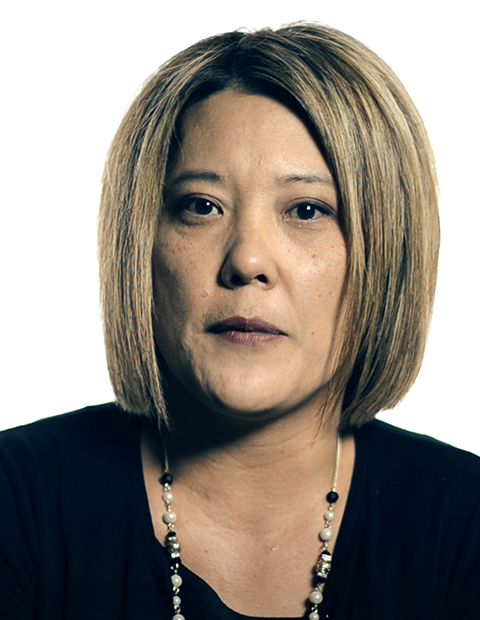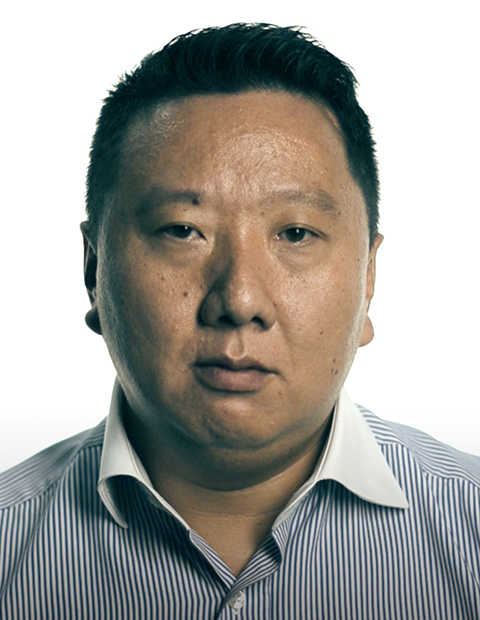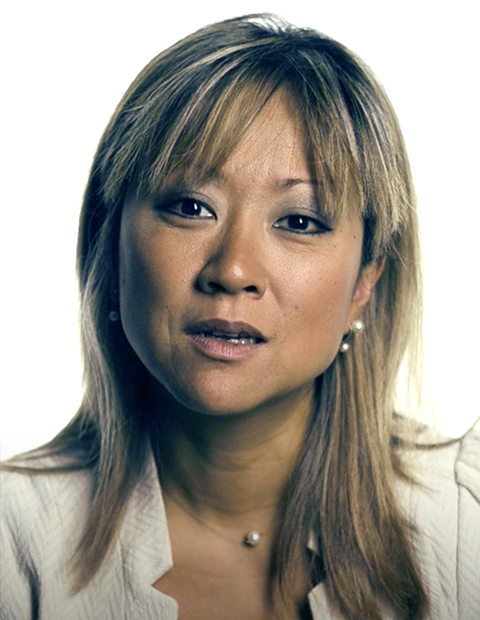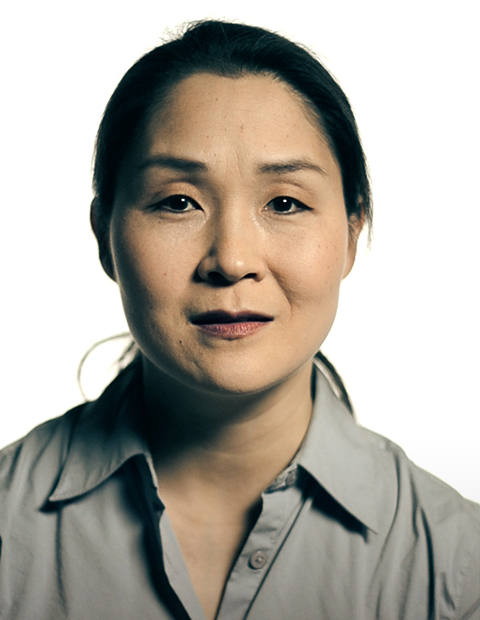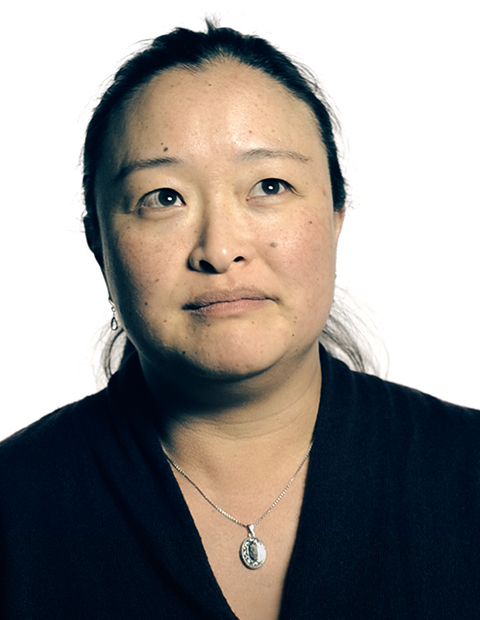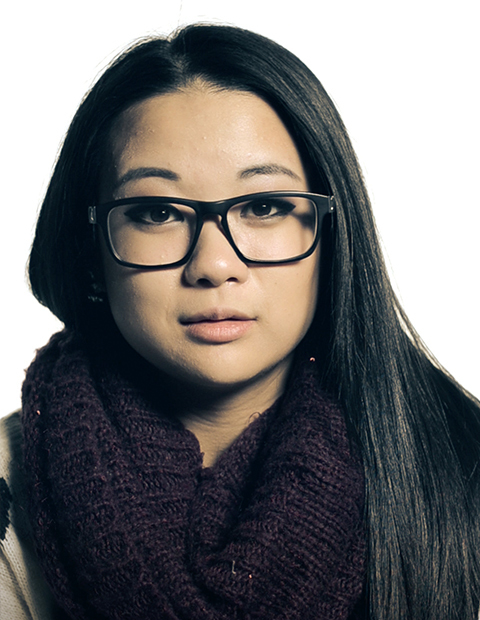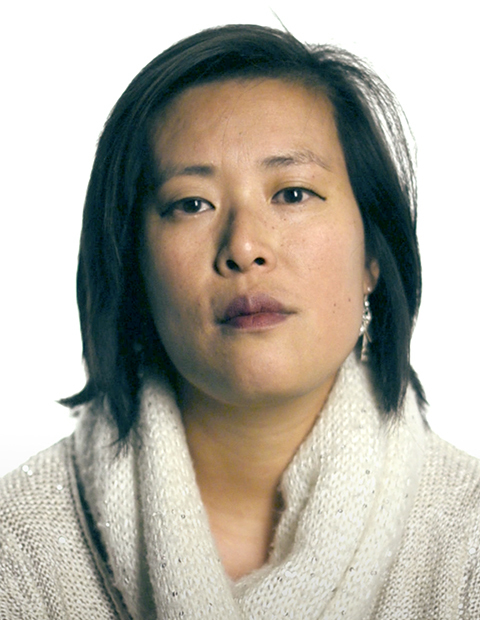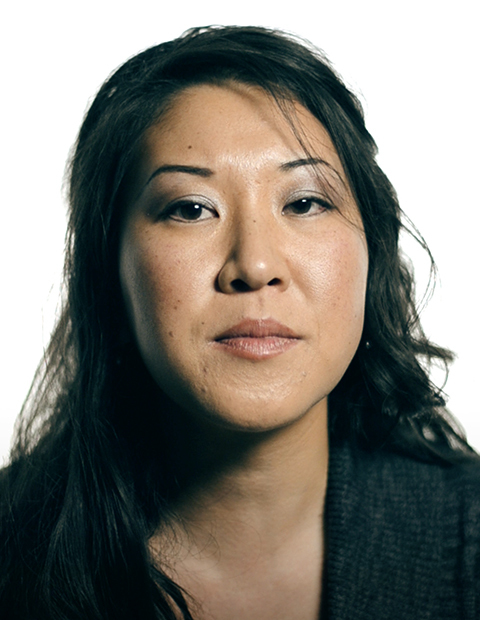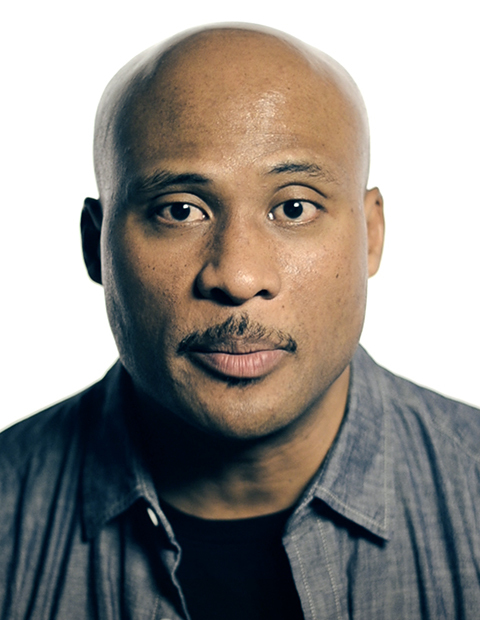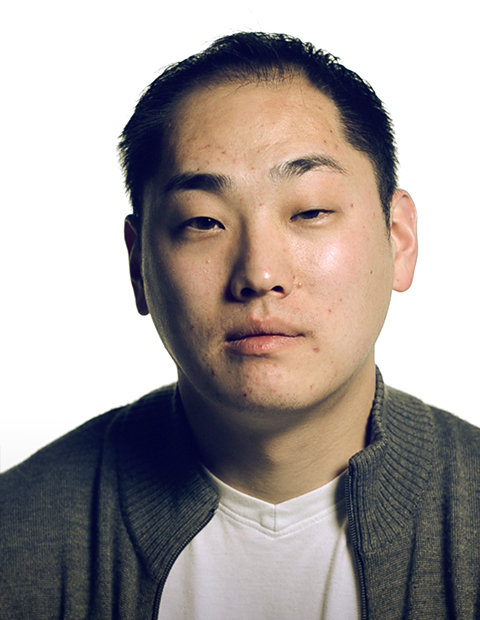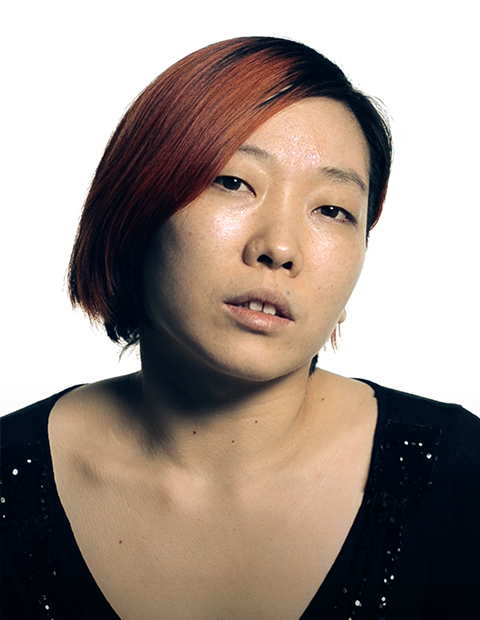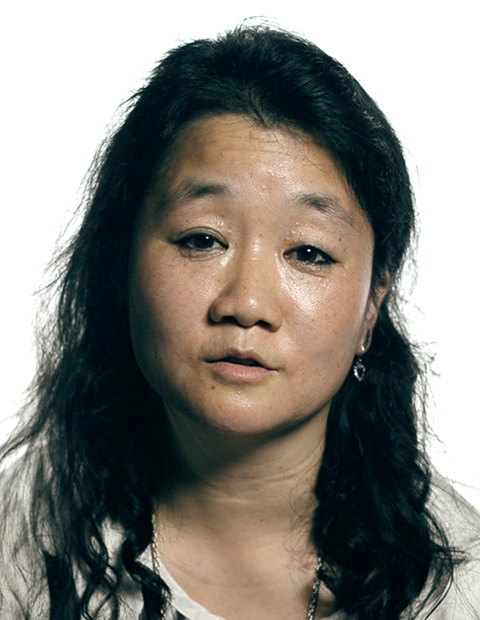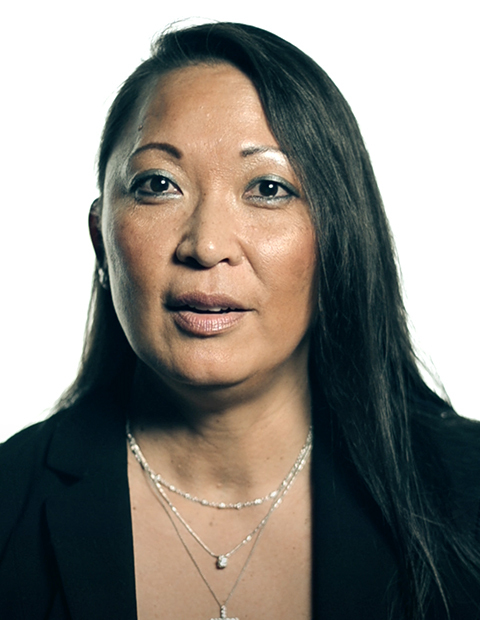

Out of a
South Korean
Orphanage and Into the World
- 7 countries
- 6 languages
- 16 cities
- 100 stories
An international journey through the personal memories and experiences of abandonment, relinquishment, orphanages, aging out, and inter-country adoption from South Korea
0 results
-

It was like opening Pandora’s Box, this piece of paper in my hands.
 Watch
Watch
-
The email said, “We found your mother. You have to come to Korea now.”
Watch
-
When I married, I hid my history. Afterwards, the truth became known.
Watch
-
Maybe even more as an adoptee, I’m afraid of losing my parents.
Watch
-
It wasn't until college that I started to sort out my multiple identities.
Watch
-
It’s good to feel like you can acknowledge the complexities around adoption.
Watch
-
I miss Korea and my birth family. It’s a sadness that I carry with me.
Watch
-
The woman on the phone says, “We think we found your mother.”
Watch
-
An immigrant family that was unwilling to give up on an abandoned orphan.
Watch
-
I don’t know how to put it into words. I wish I could live like everyone else.
Watch
-
My husband and I are both Korean. Our son inherits our Korean heritage.
Watch
-
If I wasn’t adopted, I’d be working a rice field. I’m not really an outdoor guy.
Watch
-
My biological parents wanted us to be together with a Christian family.
Watch
-
I want to be as good a parent as my mom was for me. I’ll try my hardest.
Watch
-
It’s important for me to share, to encourage others who’ve been victims.
Watch
-
I was 7 and a half when I was adopted. I was told that I had two sisters.
Watch
-
What I had been looking for in my birth mom, I found when my son was born.
Watch
-
My teacher told the class, “This is her last day. She’s going to America.”
Watch
-
I remember, vividly, the morning my mother gave us up. She was crying.
Watch
-
I have both my birth family and my adoptive family, and I love them both.
Watch
-
I remember walking down a dirt road in Korea, and crying.
Watch
-
If I were to be given another life, I would want to receive parental love.
Watch
-
I got married after my husband promised me he’d never mention my past.
Watch
-
I remember looking in the mirror, trying to see what made me a target.
Watch
-
My mom’s comment to me was, “You should be dating your own kind.”
Watch
-
My birth mother has remarried, and her husband can’t know that I exist.
Watch
-
What if I find out something I don't want to know? That scares me.
Watch
-
God, why am I here? Why did you put me in this household?
Watch
-
I ask myself a lot of questions about my ability to be a mother.
Watch
-
Mixed-race kids were seen as human refuse, a scourge on their culture.
Watch
-
My mother simply asked me, “Would you like to go to America?”
Watch
-
There’s no information about me, my birth, my family in Korea. Nothing.
Watch
-
I grew up feeling like a Martian who had arrived from outer space.
Watch
-
My oldest son got me a DNA test, and it stated I’m 100% Japanese.
Watch
-
I sold hard taffy, physical labor. Those jobs were my ticket to survival.
Watch
-
I was born to have an identity complex, being adopted and transgendered.
Watch
-
After that, I kind of realized…okay, I’m a child born of rape.
Watch
-
I think that’s why God gave me my daughter, so I wouldn't be alone.
Watch
-
I’ve been homeless 15 times, from 1987 to the present—5 years in NYC.
Watch
-
People say my happy appearance is impressive, given my childhood.
Watch
-
She gave me a ring she was wearing and said, “We have the same hands.”
Watch
-
It made me embarrassed, that I had to explain my existence to other people.
Watch
-
My adoptive parents are Korean. I grew up speaking Korean.
Watch
-
As of today, I do not know who is telling the truth, and who is not.
Watch
-
All of a sudden, I saw real Koreans, who weren’t speaking Danish.
Watch
-
I did a total 180 from not hanging out with Asians, making up for lost time.
Watch
-
I didn’t get the answers I wished for, but I am more at peace with that.
Watch
-
There’s a different layer on life when someone chooses you.
Watch
-
I meet facility alumni. Some are successful, some have gone astray.
Watch
-
As a child, I often dreamt about what I saw the night I was abandoned.
Watch
-
I don't talk much about growing up in an orphanage—my darkest moment.
Watch
-
I was the baby—the first choice to give up for adoption. I understand that.
Watch
-
My facility experience has made me tough. I don’t cry over small things.
Watch
-
My mother thinks that I’m happy all the time, not how I have struggled.
Watch
-
My biological father is standing there, leaning over a motorcycle.
Watch
-
We have to stop turning ourselves into victims.
Watch
-
It’s not a job, but getting married that’s a challenge.
Watch
-
Korea never left me. Korea is inside of me. I eat, breathe, and live Korea.
Watch
-
Five Korean adoptees getting together, then 12, 15, 20, hundreds.
Watch
-
I learned that I was incredibly lucky to have grown up in Denmark.
Watch
-
For the first time, I saw other adoptees who looked a bit like me.
Watch
-
I am a man who should have died a long time ago, but I have a family now.
Watch
-
I did 23andMe. My second cousin on my birth father's side contacted me.
Watch
-
My adoptive parents are Korean. I found out I was adopted 3 years ago.
Watch
-
I’ll embrace the sorrow I still feel, and one day I will heal and forgive.
Watch
-
I never really discussed racism with my parents. I didn't want to relive it.
Watch
-
My mom told me herself that I was born on the floor at home.
Watch
-
Because I’ve chosen to become a single mother, I think about my birth mother a lot.
Watch
-
He puts his little hand on my face. “Momma, we have the same eyes.”
Watch
-
Adoption includes the first family. The child did not appear from nowhere.
Watch
-
I see a lot of Chinese babies who are adopted. We kind of blazed a trail.
Watch
-
My adopting father told me he met my mother, and he negotiated with her.
Watch
-
My adoptive parents loved me so much, before they even had me.
Watch
-
I didn’t have problems during childhood. I am who I am, Dutch Korean.
Watch
-
I’m most likely a foundling, left near a police station.
Watch
-
My college essay was called “My Lucky Number”— my case number, K90821.
Watch
-
I learned how to pronounce my Korean name, and realized that it’s beautiful.
Watch
-
I enjoy traveling. When you travel, you’re not supposed to belong.
Watch
-
Mild curiosity grew into a need to connect with adoptees and Korean-Americans.
Watch
-
A feeling of detachment, and an inability to connect with anybody.
Watch
-
Learning Korean really made me the most in touch with being Korean.
Watch
-
Why is Korea still sending children for adoption abroad?
Watch
-
In Korea, I can feel the way people look at me, and I lose confidence.
Watch
-
What I’ve learned through my faith in the Lord, is that it happened for a reason.
Watch
-
Our extended relatives made it clear. My sister and I were “add-ons.”
Watch
-
It was an unspeakable act. I wanted to forget it. But I couldn’t.
Watch
-
It took my birth father 35 years of searching. He finally found me 3 years ago.
Watch
-
In the Holt records, it says that I was left on the doorstep of a man’s house.
Watch
-
I was in the orphanage for the undesirable children. I was not adoptable.
Watch
-
I have chosen to see adoption as a part of my life, not the driver.
Watch
-
Would I have been better off in Korea? I think the answer is always, no.
Watch
-
My earliest memories are of living in one room with my birth mother.
Watch
-
I feel my friends hold the concept of finding birth parents closer than I do.
Watch
-
I don’t remember much, except the crying—all those unhappy children.
Watch
-
When I walk into a room, do people look at me and say, there’s the Asian girl?
Watch
-
Yeah, I’m black and Korean. But first and foremost, I’m black.
Watch
-
When I met my birth mom, it wasn't under the best circumstances.
Watch
-
That pain never goes away. I take my pain, and I put anger over it.
Watch
-
We always felt we were Danish children, with Danish values and norms.
Watch
-
I’m grateful, truly, to be alive today. That’s why I tell my story.
Watch